To fashion an inner story of our pain carries us into the heart of it, which is where rebirth inevitably occurs.
-Sue Monk Kidd
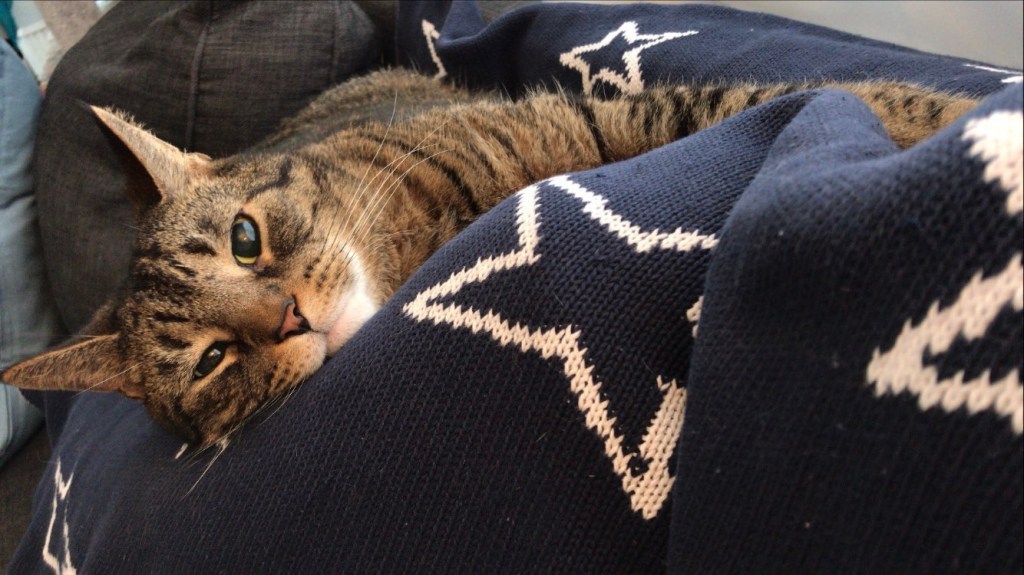
Unlike his passing, I knew this day was coming. The seasons have changed, milestones have come and gone: the first Halloween without matching costumes, the first solo Christmas card, the first birthday they didn’t celebrate together, and now, the first year without him.
One entire year without Linus.
Over 14 years, I’d preemptively mourned Lucy a dozen times: from her surgeries and procedures to treatments and medication. She was always my sickly little kitten. Never once during that time had I considered losing Linus and then the first time that I ever really had to, I did. I lost him over just a few days. I didn’t know what to do or not do because it all happened so quickly, there were questions I hadn’t even thought to ask.
I’ve wondered for weeks leading up to this date about what I should write, what could I say that hasn’t already been said? I learned in the process of coming to terms with his death that there are still things we can share more openly about pet loss. I learned that we’re not prepared in a litany of ways on how to lose a loved one and pets are unique in their relationship to us and how we mourn them.
I asked myself, “What most do I want to share?”
First: grieve out loud.
This is important for a number of reasons, primarily because “healing is impossible in loneliness; it is the opposite of loneliness. Conviviality is healing. To be healed we must come with all the other creatures to the feast of Creation.” (Wendell Berry) In the depths of despair, it was friends who came to the forefront and held my hand as I waded through the murky waters. So many times I wanted to drown, they wouldn’t let me. This also highlighted for me that there are three kinds of people when it comes to pet loss: 1. those who cannot relate and utter something like, “they’re just an animal” 2. those who can’t relate but still sympathize and comfort you 3. those who can connect with your suffering and share stories of their own.
At first, I was outraged by the first group: how could they feel that way or, worse, say that out loud? To me? Until I realized how sad that was for them, to have never experienced such unconditional love. I’d be lying if I said those comments didn’t hurt though, especially coming from people who I thought understood me.
Moving past that, I relied on the people in my life to keep me alive.
All this to say: find others who understand. People who will tell you stories about how they hurt, too, and how they kept and keep going. Who will remind you to drink water, who will send you food so you don’t forget to eat, who will say things like, “You don’t have to reply but I want you to know I’m thinking about you” and “give Lucy baps from me.”
See, the “problem with death is absence” (Roger Rosenblatt) and 2,000,00 ‘miss yous will never bring them back. The absence, in turn, becomes another kind of presence that we carry with us. At first, it’s dark and heavy and sharp like a jagged black obsidian until it’s shaken up and chipped away to form smoother edges. Much like grief, the craggy bits will eventually reveal a more polished stone the more we tend to it. Friendships fill that absence and become buffers to those edges, they ease the anguish, they soften the hurt.
The sorrow for the dead is the only sorrow from which we refuse to be divorced. Every other wound we seek to heal, every other affliction to forget; but this wound we consider it a duty to keep open; this affliction and brood over in solitude.
-Washington Irving
Second, and more practically, following his loss some other things that I’ve found helped me weather the gale:
- Took a few days off work, class, everything to just cry
- I wrote him an obituary that I shared with anyone who knew him (vets, my therapists met him virtually) and friends/family
- I signed up for grief groups (unfortunately they were all canceled but I know people have had great experiences with them) you can find some here: https://www.aplb.org/
- I printed hundreds of pictures at Walgreens. I collected them from social media, email, my phone, and went out to get frames. This was nice because I was thoughtful and mindful about which pictures to put and where., sitting with his face and reminiscing
- I wear a wavy ring that reminds me grief comes in waves
- I wear a necklace with a L charm on it for him and Lucy
- These books helped: Soul Comfort for Cat Lovers and Angel Cats
- After many months of not having the will to live, I tried EMDR https://www.emdr.com/what-is-emdr/ and it helped so much. In fact, the same night as my first session, Linus appeared to me in a dream and it changed everything going forward
- I follow this creator: Dr. Faith Banks
- I journal and write monthly memorial posts about him
- I made Tiktoks that helped me. It was therapeutic to find video and images to set against background music and cry it out
- I set up an alter for him. I have his ashes with me. I know there are different feelings about this but I want him with me. Home, for him, has always been me and Lucy
- Friends sent me art and all different kinds of special pieces to add to the alter and throughout my house. I love looking at them
- Sometimes I talk to him, whether in my head or out loud to his things
- I saved his favorite toys and put them on his alter
- I attended this webinar, you can purchase the recording here: Anticipatory Grief
- I haven’t done anything with his ashes or fur yet but want to
I needed action items, tasks, things to do to cope. I couldn’t speak his name for months, as if speaking his name would bring back the unendurable grief, but there were other things I could try to ease the suffering.
At first we have no choice to think about the one we’ve lost. Then maybe one day we realize an hour has passed without thinking of them, maybe a day. Afraid that with time we’ll lose the intensity of the grief, which will lose the intensity of the love; ceasing to mourn would be like ending our love. We conflate the two – that the amount and intensity with which we grieve is how deeply we loved. I worry I’ll forget his smell, softness, weight, purrs and that means I love him less. That is, of course, not true, and in that way I’m still learning about grief.
I write this as a rebirth and guide, a collection of things that have been shared with me the last year that helped.
After many months, and now one whole year, I have “begun to wake up in the morning with something besides dread in his heart. Not happiness exactly, not eagerness for the new day, but a kind of urge to be eager, a longing to be happy.”
-Jon Hasser
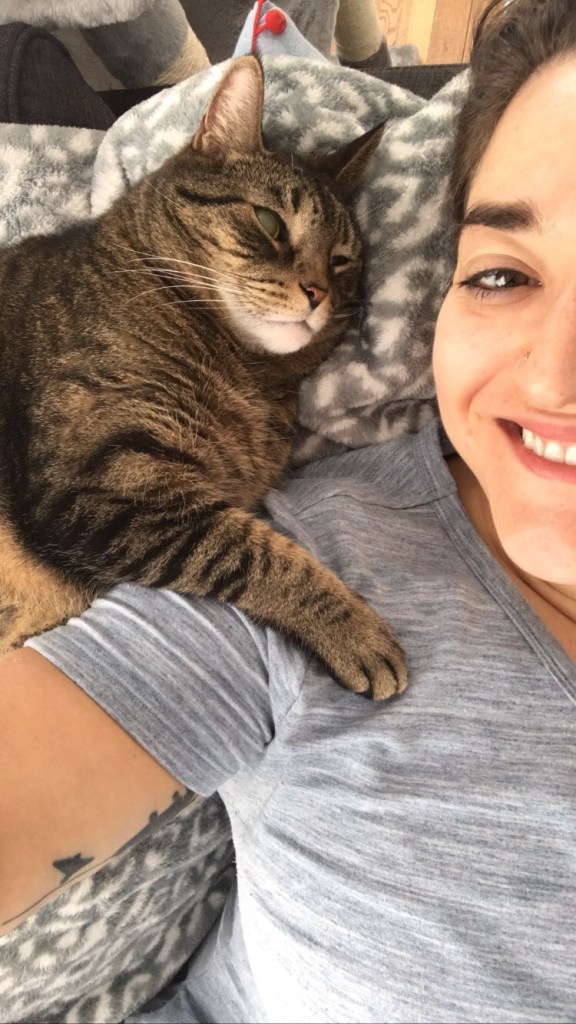
 Loving and Losing Linus